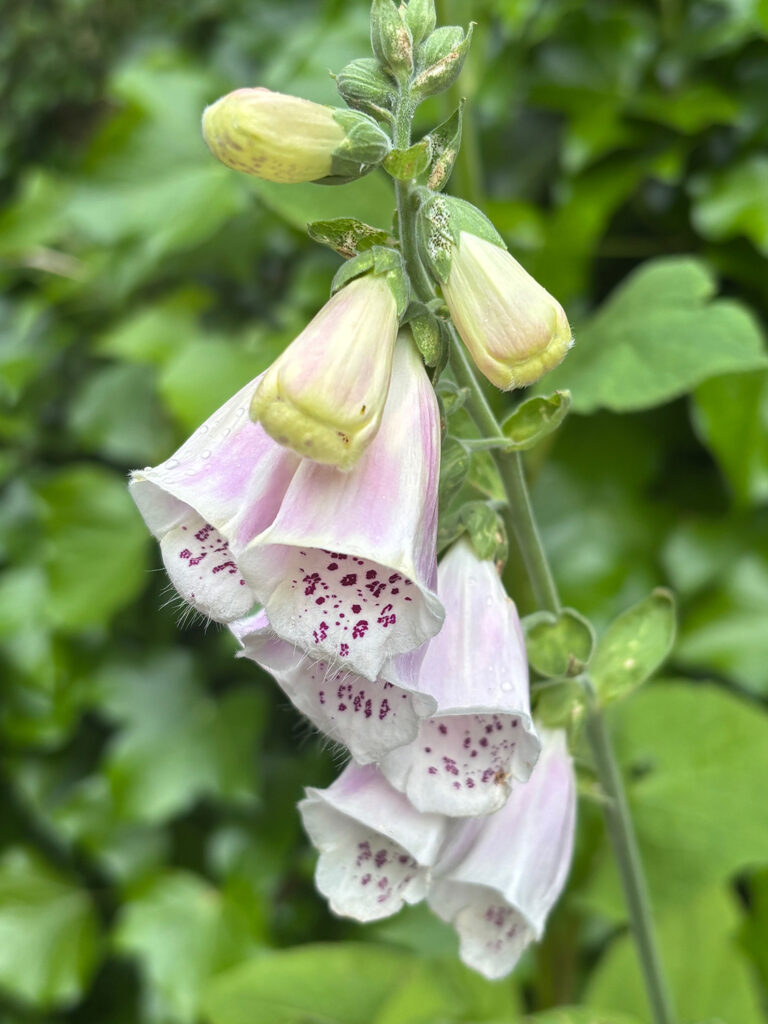
Do we use it?
Borage and Bugloss ~
Culpeper and the Star Chamber
“These plants are so well known to be inhabitants of every garden, that I hold it needless to give them a description here.”
~ Culpeper’s Herbal

Borage
Borago officinalis

Viper’s Bugloss
Echium vulgare
You may be familiar with Borage with it’s vibrant blue star shaped flowers
giving it it’s other common name – Starflower.
But are you as familiar with Viper’s Bugloss as Culpeper suggests?
Weed or Friend?

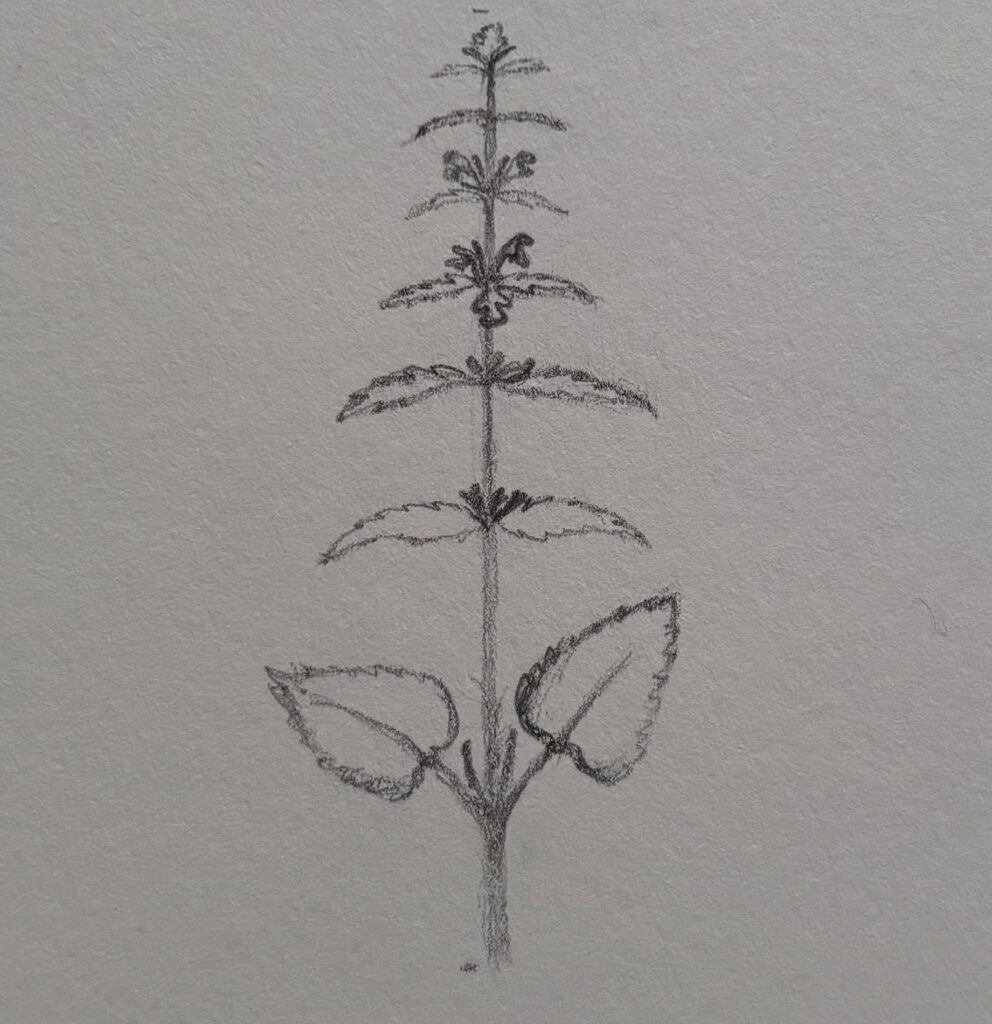
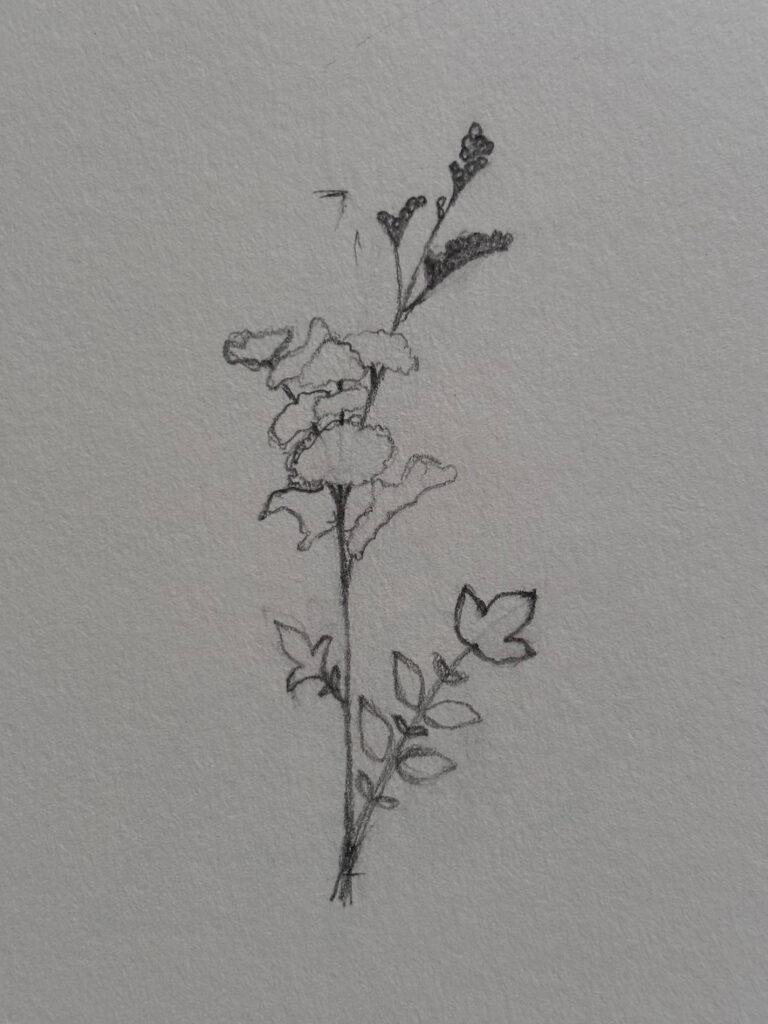
I’ve always found it a challenge to write about wildflowers. As an artist, I’m always looking for something to draw (even as a child). Then something new to draw. So while roses and carnations are readily available, wildflowers are new (often to me) and varied and interesting to draw.
Then you want to find out a bit more about what you’re drawing – the name first, then the other plants that are growing with it and so on.
But wildflowers have always been a challenge because they have inherited such a controversial history. Often this is warranted as some are poisonous to humans and so a knowledge of these has been historically essential.
But more so, their reputation comes from their medicinal properties and their often vigorous growing capabilities making them weeds in gardens and when they invade our space in the wider environment.
So to Culpeper’s quote. As I’ve discovered more, I often wonder why we, myself included know so little about wildflowers.
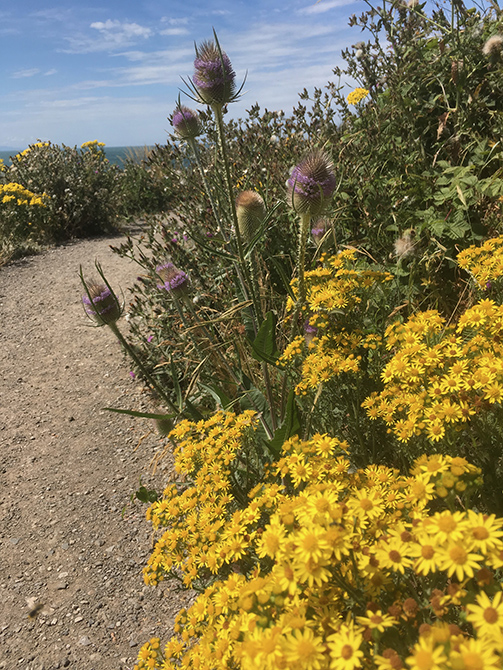
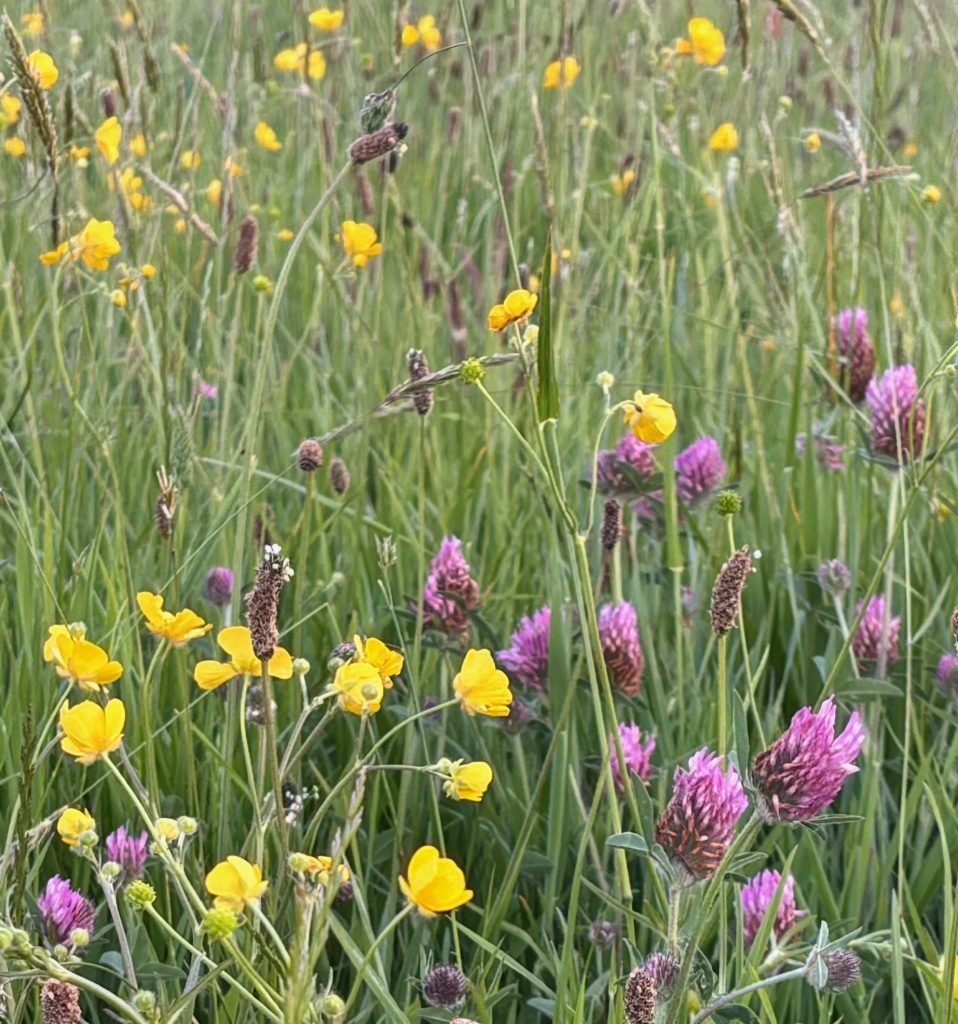
We are generally knowledgeable about garden flowers, but wildflowers have fallen by the wayside in more ways than one. The wayside is very often their only refuge now, although it is a very suitable place for them to grow as many of them thrive in poor stoney soils. But nevertheless, Culpeper suggests that our knowledge of them is not what it once was. So it was good to find one point in history which gives some clues as to why that may be.
THE STAR CHAMBER
As so often is the case, it’s linked to a huge change in the political landscape of the time.
The Star Chamber got it’s name from the star patterned ceiling of it’s room
in Westminster Palace.
Although it had been around since medieval times, it became more powerful during the reign of
Henry VII. Initially, under the Tudors is was well thought of. As a court of law, it became a separate
entity to meetings of the King’s council in 1487, but was mainly used to begin with to settle disputes about land enclosures and property rights.
Then, it’s distinction became useful for cases of public corruption, trade disputes and investigating
corruption by government officials. By this time wealthy land owners had become more authoritative
than government or royalty liked.
But by the time of Henry VIII and then Charles I it had become a political weapon. It was too easy for
royalty to use and misuse it for their own gains.
The Star Chamber was finally abolished in 1641 by the Long Parliament.
THE APOTHECARIES AND THE GROCERS
But what does this have to do with wildflowers?
All this political upheaval meant a distracted government.
In 1518, under the rule of Henry VIII, the Royal College of Physicians was created.
Until this time, the use of herbs and spices for medicinal purposes was common place and
were sold by merchants in shops or street stalls.
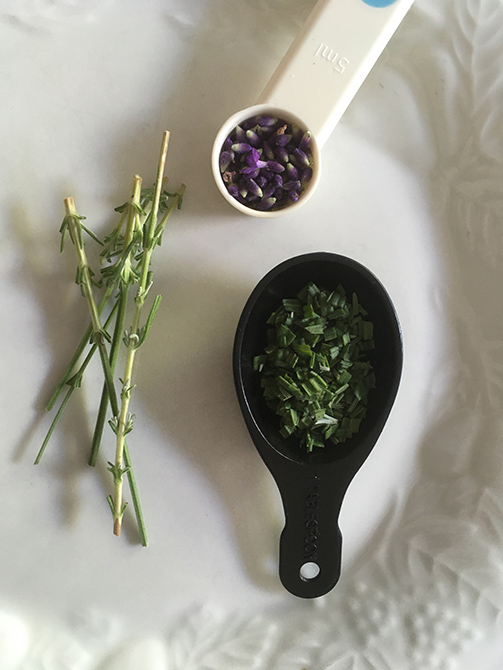
The word apotheca means a place where wine, spices and herbs were stored, hence the use
of ‘apothecary’, a term which came into being in the 13th century.
In London in 1180, an association was formed called the Guild of Pepperers, who were later
joined by the Spicers in 1316. The Pepperers were charged with the responsibility for
maintaining the purity of spices and standards of certain weights and measures.
As these merchant tradesmen became more involved in wholesale, they were referred to as
the ‘Grosseuers’ from the French ‘in bulk’, which became Grocers.
DEVELOPMENT OF PHARMACIES
The Company of Grocers of London was granted a royal charter by Henry VII in 1428 formerly
recognising them as a Worshipful Livery Company, becoming the
Worshipful Company of Grocers.
Through all this, herbs and spices were sold together both as food and for medicinal use.
Merchants would sell herbs and spices alongside perfumes and wines
and also dispense drugs as spicer-apothecaries.
The London Apothecaries became more knowledgable in the use and
dispensation of herbs and spices for medicinal purposes and
developed specialist pharmacy skills, but were still associated with
the Grocer’s Company.
THE WORSHIPFUL SOCIETY OF APOTHECARIES OF LONDON
As merchant grocers had no qualifications in medical practice, the reputation of the apothecaries
became tarnished, particularly with developments in what is now known as modern medicine.
In 1617, they petitioned for, and were granted a royal charter by King James I,
making them officially The Worshipful Society of Apothecaries of London, as was awarded to the Grocers.
By this time though, the damage had been done.
Without the standards and regulations afforded by the Pepperers,
a pathway was opened for fraudsters and physicians to be able to work
without proper knowledge or training.
When the scholars and physicians had persuaded Henry VIII to establish a College of Physicians,
to “grant licenses to those qualified to practise and to prosecute those that engaged in malpractise”,
the apothecaries were ordered to obtain a copy of Pharmacopoeia Londinensis.

The ‘London Dispensatory’ or Pharmacopoeia Londinensis was created by the Royal College of Physicians who became the regulatory body for medical practice and was to be used as a text for reference by all physicians – who were required,
by royal proclamation to possess and consult it.
“The restriction also meant that the Royal College of Physicians were able to create an approved list of all known medicines,
their effects and usage. It was illegal to concoct any medicine or sell any remedy if it did not appear in
Pharmacopoeia Londinensis.” *Chetham’s Library
At the time the ferocity of the restrictions were understandable, as protection was needed if only against threats of
malpractice and for the safety of the general public.
But the vast amount of knowledge carefully acquired over the centuries became put to one side by the tremendous pace in the advancement of modern medicine. Added to this, physicians (and apothecaries) began to gain a reputation for only treating the wealthy and to be themselves the subject of scrutiny for their honesty and effectiveness.
CULPEPER’S HERBAL
Nicholas Culpeper was born in 1616, right in the middle of the medical and political upheaval of the time.
“His maternal grandfather was a minister in whose library the young Nicholas could find astrological and medical texts, while from his grandmother he learned the value of medicinal plants.” **
He became estranged from his grandfather though, losing a place at Cambridge and instead followed his interest in healing
by becoming an apprentice and finding work with apothecaries in London.
Having studied Latin at Cambridge and through his work, he was familiar with the text of the London Dispensatory.
He was approached to write a translation of the text.
To be continued …